Treated by Dr Bhavana
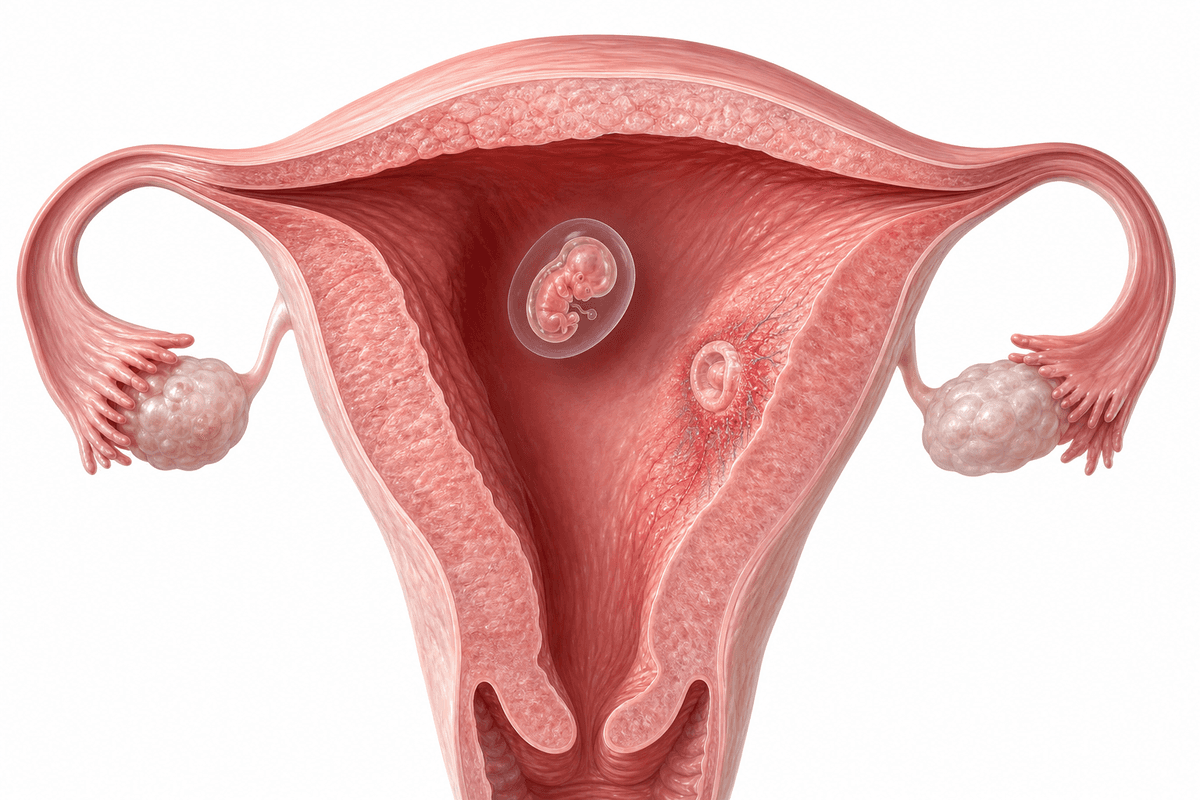
Implantation failure in Hyderabad refers to the inability of a viable embryo to successfully attach to the uterine lining during IVF or natural conception, resulting in failed pregnancy despite good quality embryos. This condition can occur after single or multiple IVF cycles and requires comprehensive evaluation to identify underlying causes. Dr Bhavana at her IVF clinic in Kompally specializes in diagnosing and treating implantation failure with personalized protocols and advanced reproductive technologies.
Occurs when embryos fail to implant during the first IVF cycle despite transfer of good quality embryos. This may indicate underlying uterine receptivity issues, immunological factors, or embryo quality concerns that require thorough investigation and treatment modification.
Happens when implantation fails after a previous successful pregnancy and delivery. This type suggests acquired conditions such as intrauterine adhesions, endometrial changes, or new immunological factors that have developed since the last successful conception.
Defined as failure of implantation after transfer of at least four good-quality embryos in a minimum of three fresh or frozen cycles in women under 40 years. This requires extensive investigation including endometrial receptivity testing, thrombophilia screening, and immunological assessment.
Multiple factors can contribute to the development and progression of this condition.
Implantation Failure develops gradually. Recognising symptoms early gives you more treatment options.
From conservative to surgical — we always start with the least invasive option first.
A structured, patient-first approach from first visit to full recovery.
Dr Bhavana conducts thorough assessment including detailed history, 3D ultrasound, hysteroscopy, hormonal profiling, thrombophilia screening, and immunological testing to identify all potential causes of implantation failure and create a complete diagnostic picture.
Based on diagnostic findings, Dr Bhavana designs individualized treatment plans that may include ERA testing, immune modulation, PGT-A, endometrial preparation modifications, or surgical corrections tailored to address each patient's specific implantation barriers.
Dr Bhavana optimizes both embryo quality through improved stimulation protocols and PGT-A, while simultaneously enhancing endometrial receptivity through customized hormone protocols, endometrial scratch, or adjuvant therapies like growth hormone or antioxidants as indicated.
Dr Bhavana provides close monitoring throughout treatment cycles with frequent ultrasounds, hormone assessments, and endometrial thickness evaluation, making real-time adjustments to medications and transfer timing to maximize implantation potential and provide comprehensive emotional support.
What to expect at each phase of recovery.
Following diagnostic procedures or surgical corrections, patients undergo a recovery period of 1-3 months during which the endometrium heals and normalizes. Dr Bhavana monitors endometrial response and hormonal balance before proceeding with embryo transfer.
Using personalized protocols based on diagnostic findings, patients undergo carefully timed embryo transfer with appropriate endometrial preparation, immune support if indicated, and precise transfer technique. This phase includes close monitoring and medication adjustments for optimal receptivity.
After transfer, Dr Bhavana provides intensive early pregnancy monitoring with serial HCG measurements, progesterone support, early ultrasound confirmation, and continuation of any immune or anticoagulation therapies. Patients receive comprehensive care through first trimester to ensure pregnancy stability.
With personalized protocols addressing specific causes, most patients experience significantly improved implantation rates in subsequent cycles, with success rates increasing by 20-40% compared to previous failed attempts when underlying issues are properly identified and treated.
Following comprehensive evaluation and targeted treatment, 60-70% of patients with recurrent implantation failure achieve successful pregnancy within 2-3 optimized transfer cycles, with lower miscarriage rates due to embryo selection and endometrial optimization strategies.
Proper diagnostic workup and protocol optimization reduce unnecessary cycle attempts and cancellations, saving time, emotional stress, and financial resources while increasing efficiency of treatment and allowing patients to achieve pregnancy goals faster with evidence-based interventions.
Understanding the specific causes of implantation failure and having a clear treatment plan provides psychological relief and renewed hope. Dr Bhavana's comprehensive approach includes counseling support, helping patients navigate the emotional challenges and maintain optimism throughout treatment.
Without proper investigation and treatment of implantation failure, patients face continued unsuccessful IVF cycles, resulting in significant financial burden, emotional distress, and delayed family building goals. Underlying conditions such as uterine abnormalities, immunological issues, or embryo quality problems may worsen over time, further reducing chances of natural or assisted conception. Progressive age-related decline in fertility compounds the problem, making timely evaluation and intervention crucial for optimal reproductive outcomes.
You should consult Dr Bhavana if you have experienced one failed IVF cycle with good quality embryos, two or more failed cycles regardless of embryo quality, or recurrent early pregnancy losses. Immediate evaluation is recommended if you have known risk factors such as advanced maternal age over 35, endometriosis, previous uterine surgery, autoimmune disorders, or abnormal uterine cavity findings. Early intervention after implantation failure allows comprehensive testing and protocol optimization before additional unsuccessful cycles, improving overall chances of successful pregnancy.
Early treatment means more options and better outcomes. Book a consultation to understand your condition and explore the right path forward.