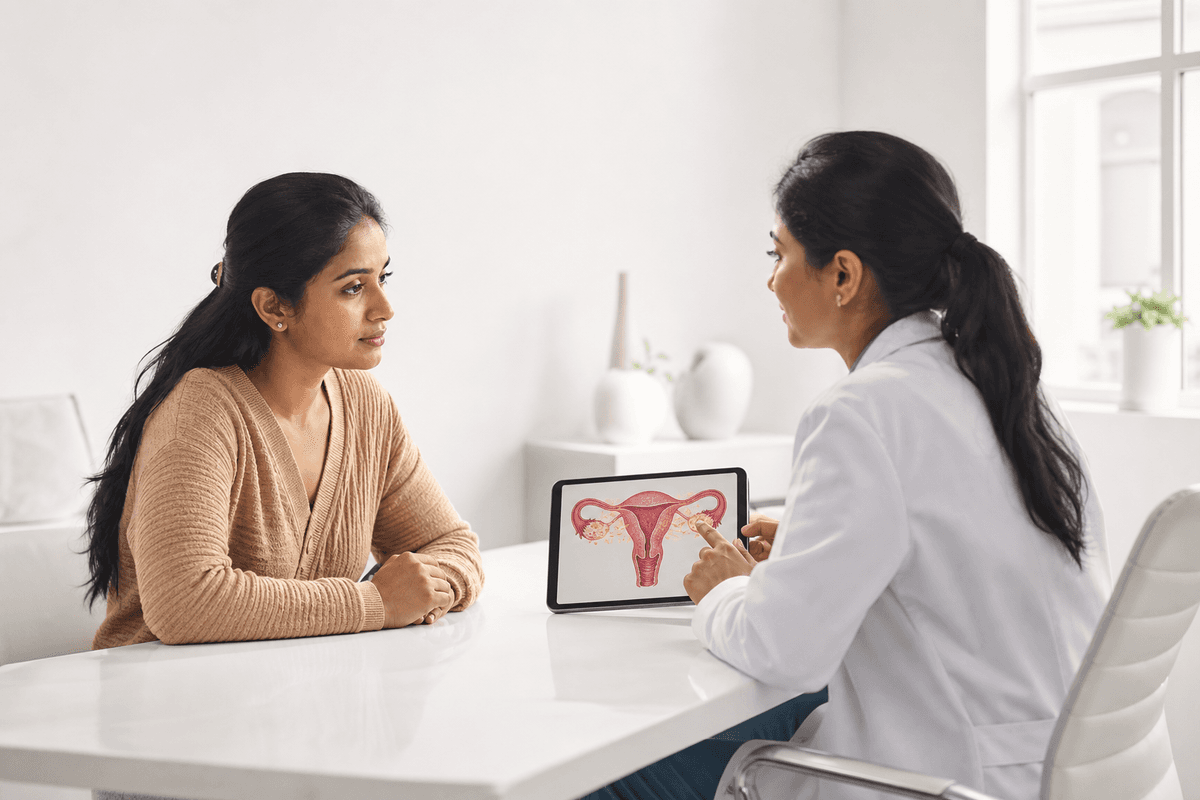
Performed by Dr Bhavana
A fertility evaluation and workup is a series of tests and assessments performed on both partners to identify factors that may be affecting the ability to conceive. The evaluation typically includes medical history review, physical examination, hormone testing, imaging studies, and semen analysis. Dr Bhavana tailors the workup to each couple's specific circumstances to determine the most appropriate path forward.
We believe in honest, upfront disclosure so you can make an informed decision.
A step-by-step look at what happens during this procedure.
Both partners provide detailed reproductive, medical, surgical, and lifestyle histories. Information about previous pregnancies, contraceptive use, menstrual patterns, sexual frequency, and family history is gathered to identify potential contributing factors.
A physical examination assesses general health and reproductive anatomy. For women, this includes a pelvic examination to check for structural abnormalities or signs of conditions like endometriosis or fibroids.
Blood tests measure hormone levels that regulate ovulation and reproduction. Tests may include follicle-stimulating hormone, luteinizing hormone, thyroid hormones, prolactin, and anti-Müllerian hormone to assess ovarian reserve and function.
Methods such as basal body temperature tracking, ovulation predictor kits, or mid-luteal progesterone testing confirm whether ovulation is occurring regularly. Ultrasound monitoring may track follicle development through the cycle.
Transvaginal ultrasound examines the uterus and ovaries for abnormalities. Additional tests like hysterosalpingography may evaluate whether fallopian tubes are open, and other imaging may be recommended based on findings.
A structured, patient-first approach from first consultation to full recovery.
Dr Bhavana reviews each couple's history and circumstances to determine which tests are most relevant, avoiding unnecessary procedures while ensuring thorough evaluation of potential causes.
Tests are scheduled according to the menstrual cycle and other timing requirements. Both partners are guided through the process with clear instructions on preparation and what to expect at each stage.
Semen analysis is arranged to assess sperm count, motility, and morphology. Additional male hormone testing or examination is performed when initial results indicate potential issues.
Once all results are available, Dr Bhavana discusses findings with the couple, explains what the results mean for fertility potential, and outlines treatment options or next steps tailored to the identified factors.
What to expect at each stage of your recovery journey.
Most tests involve minimal to no discomfort and do not require recovery time. Normal daily activities can continue between appointments, though some tests may require brief rest afterward.
Procedures like hysterosalpingography may cause cramping or spotting for a day or two. Light activity is recommended for 24 hours, and individual instructions from the clinical team take priority.
The evaluation period can be emotionally demanding. Support from partners, family, or counselling may help couples manage stress while awaiting results and decisions about next steps.
The workup may identify specific causes such as ovulation problems, tubal blockage, low sperm count, or hormonal imbalances that explain difficulty conceiving. This guides targeted treatment strategies.
In some cases, all tests return normal results and no specific cause is identified. This is termed unexplained infertility, and treatment options can still be pursued based on duration of infertility and other factors.
The evaluation provides the information needed to choose appropriate treatments, whether lifestyle modifications, ovulation induction, intrauterine insemination, or assisted reproductive techniques like IVF.
Some findings may indicate conditions with limited treatment options or lower probability of conception with certain methods. The workup helps set realistic expectations and explore all available paths, including alternatives like donor gametes or adoption.
The right choice depends on your diagnosis, risks and circumstances — discussed with you at your consultation.
In some cases, particularly for younger couples with short infertility duration, simple treatments like timed intercourse or ovulation induction may be tried before extensive testing. This approach depends on age, symptoms, and patient preference after discussing risks and benefits.
For couples who have been trying for less than the recommended timeframe, or when modifiable factors like weight or smoking are identified, lifestyle changes and continued attempts may be appropriate before formal evaluation.
When a suspected underlying condition like thyroid disease, diabetes, or sexual dysfunction is present, addressing that condition with the relevant specialist may be the first step before or alongside fertility testing.
Let's clear up some of the most common myths about fertility evaluation & workup.
Get a personalised assessment from an experienced specialist. Understand your options, ask your questions, and decide with confidence.