Treated by Dr Bhavana
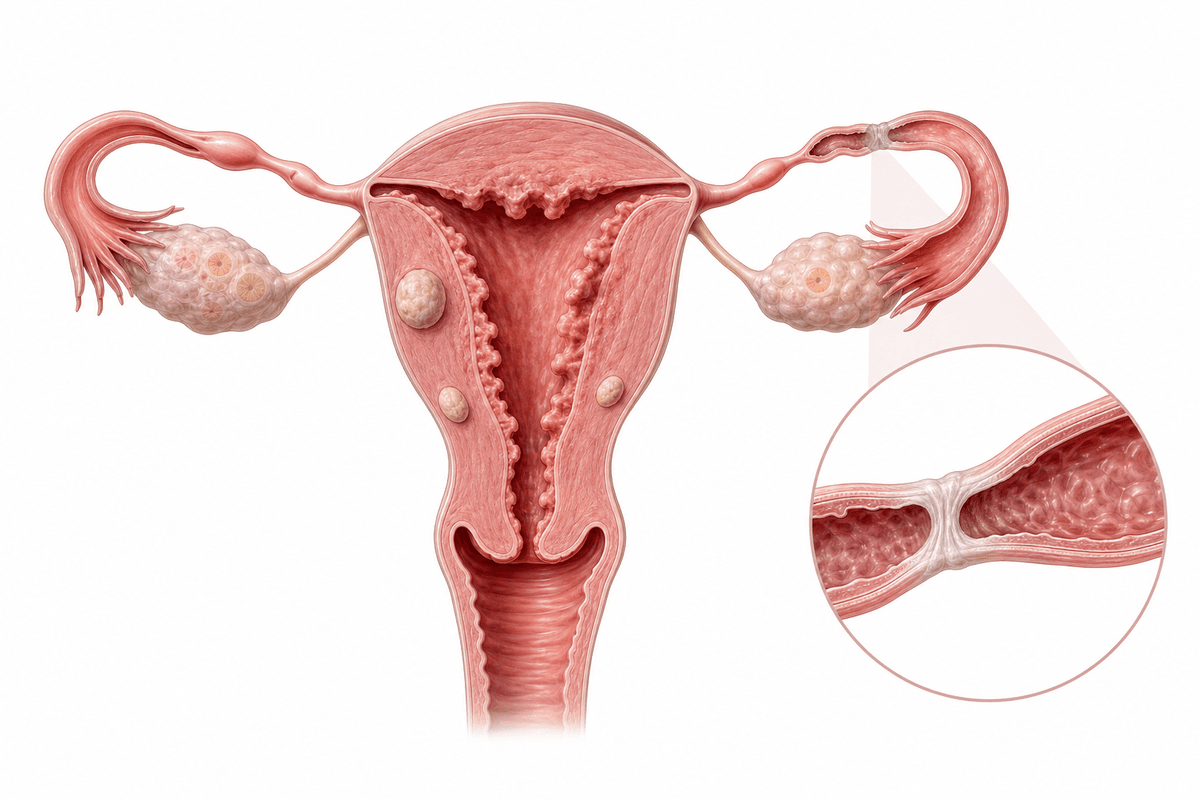
Female infertility refers to the inability to conceive after one year of regular, unprotected intercourse, or the inability to carry a pregnancy to term. It can result from various factors affecting the reproductive system, including ovulation disorders, tubal blockage, uterine conditions, or age-related changes. Dr Bhavana provides thorough evaluation and individualised care to help identify underlying causes and guide appropriate treatment options.
When a woman has never achieved a pregnancy despite trying for at least one year with regular unprotected intercourse.
When a woman has been pregnant before but is now unable to conceive again after at least one year of trying.
When standard investigations do not reveal a clear cause for the inability to conceive, despite thorough evaluation of both partners.
Multiple factors can contribute to the development and progression of this condition.
Recognising the signs early gives you more treatment options.
Evaluation begins with a detailed medical and reproductive history, including menstrual patterns, previous pregnancies, and any known conditions. Clinical examination and targeted investigations help identify specific causes, though not every patient requires every test.
From conservative to surgical — we always start with the least invasive option first.
A structured, patient-first approach from first visit to full recovery.
Dr Bhavana takes a thorough medical and reproductive history, understanding your menstrual patterns, previous attempts to conceive, lifestyle factors, and any relevant medical conditions.
Based on initial findings, appropriate tests are arranged, which may include hormonal blood tests, ultrasound scans, and tubal patency evaluation to identify specific factors.
Dr Bhavana discusses findings with you and develops a tailored approach, starting with the most appropriate option for your situation, whether lifestyle guidance, medication, or assisted reproduction.
Throughout treatment, Dr Bhavana provides regular monitoring, adjusts plans as needed based on your response, and offers clear communication at each stage of your care.
What to expect at each phase of recovery.
Whether starting medication or preparing for a procedure, initial adjustments and monitoring occur over weeks to months. Individual response varies and guides the pace of care.
During active treatment cycles, regular monitoring helps assess response and adjust protocols. This phase involves clinic visits and medication adjustments as needed.
After procedures or treatment cycles, follow-up appointments assess outcomes and discuss next steps. Further cycles or adjustments may be needed based on individual response.
Thorough evaluation can identify specific factors contributing to infertility, allowing targeted treatment. However, in some cases, no clear cause is found despite complete investigation.
Treatments such as ovulation induction and lifestyle changes may improve the chance of natural conception for some women. Response varies based on individual factors including age and specific diagnosis.
Procedures like IUI and IVF offer pathways to pregnancy when natural conception has not occurred. Outcomes depend on multiple factors, and not all cycles result in pregnancy.
Each woman responds differently to treatment based on her age, underlying causes, and overall health. Some may require multiple cycles or changes in approach.
Without evaluation and treatment, infertility persists, and the opportunity to conceive may become more challenging with advancing age. Age-related decline in egg quality and quantity accelerates after the mid-thirties, potentially narrowing treatment options over time. Underlying conditions such as endometriosis or hormonal imbalances may also progress, further affecting reproductive health and overall wellbeing.
Seek consultation if you have been unable to conceive after 12 months of regular unprotected intercourse, or after 6 months if you are over 35 years of age. Earlier evaluation is advisable if you have irregular or absent periods, known reproductive health conditions, a history of pelvic infections, previous pelvic surgery, or recurrent pregnancy losses.
Early treatment means more options and better outcomes. Book a consultation to understand your condition and explore the right path forward.