Performed by Dr Bhavana
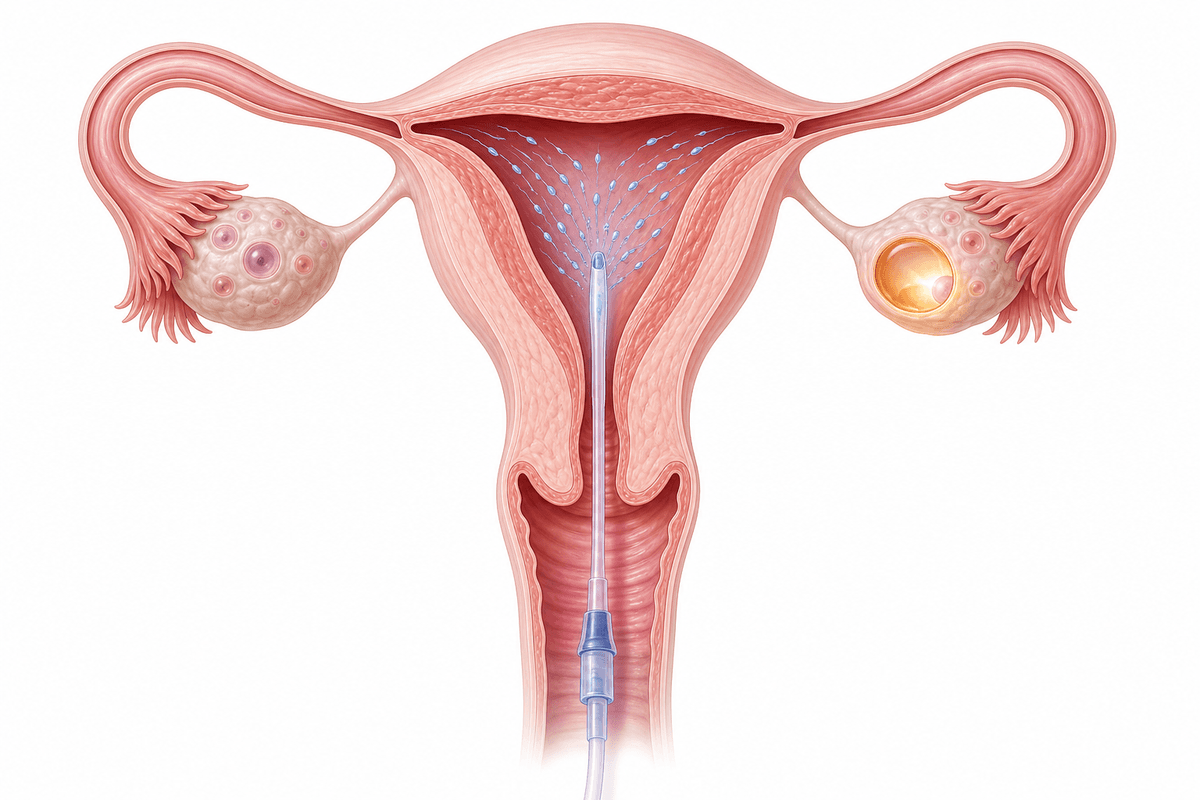
Intrauterine insemination (IUI) is a fertility treatment in which specially prepared sperm are placed directly into the uterus around the time of ovulation. The goal is to increase the number of sperm that reach the fallopian tubes, improving the chance of fertilization. Dr Bhavana provides this procedure for couples facing certain fertility challenges, following individual assessment and diagnosis.
We believe in honest, upfront disclosure so you can make an informed decision.
A step-by-step look at what happens during this procedure.
Your menstrual cycle is tracked using ultrasound and hormone tests to identify when you will ovulate. Some women take fertility medications to stimulate egg development.
On the day of the procedure, a semen sample is collected and processed in the laboratory. This concentrates healthy, motile sperm and removes seminal fluid and other components.
The IUI is scheduled to occur just before or at the time of ovulation, when the egg is released from the ovary and can be fertilized.
A thin, flexible catheter is inserted through the cervix into the uterus. The prepared sperm sample is gently injected through the catheter directly into the uterine cavity.
You may rest for a short time after the procedure. Normal activities can usually be resumed the same day. A pregnancy test is done about two weeks later.
A structured, patient-first approach from first consultation to full recovery.
Dr Bhavana tracks your cycle with ultrasound scans and hormone tests to pinpoint the optimal time for insemination, ensuring the procedure is timed with ovulation.
The semen sample is processed in the laboratory to select the healthiest, most motile sperm, maximizing the quality of sperm placed in the uterus.
Dr Bhavana uses a thin catheter to place the prepared sperm directly into the uterus, a quick and generally painless process performed without anaesthesia.
After the procedure, guidance is provided on what to expect, when to test for pregnancy, and how to recognize signs that require medical attention.
What to expect at each stage of your recovery journey.
Most women experience no discomfort or only mild cramping. You can return to normal activities immediately, though some prefer to rest for the remainder of the day.
The two-week wait before a pregnancy test can be emotionally challenging. Physical symptoms during this time may be related to fertility medications rather than the procedure itself.
If the cycle is unsuccessful, your clinical team will discuss whether to attempt another IUI cycle or consider other options. Recovery timelines and next steps vary by individual circumstances.
IUI bypasses the cervix and places sperm directly in the uterus, shortening the distance to the fallopian tubes where fertilization occurs. However, it does not guarantee fertilization or pregnancy.
Many couples require more than one IUI cycle. The procedure does not work for everyone, and success depends on many factors including age, diagnosis, and sperm quality.
IUI requires at least one open fallopian tube. It cannot overcome blocked tubes or severe male factor infertility, which may need different approaches.
The process of fertility treatment, including the uncertainty of outcomes and the two-week wait, can be emotionally demanding. Support and realistic expectations are important.
The right choice depends on your diagnosis, risks and circumstances — discussed with you at your consultation.
Ovulation is tracked with ultrasound and hormone tests, but conception is attempted through intercourse rather than a medical procedure. This may be tried before IUI in some cases.
Eggs are retrieved from the ovaries and fertilized with sperm in a laboratory, then embryos are transferred to the uterus. IVF may be recommended when IUI is unlikely to succeed or after multiple unsuccessful IUI cycles.
For some causes of infertility, addressing underlying conditions such as ovulatory disorders, thyroid problems, or weight concerns may improve natural conception. The choice depends on diagnosis, age, duration of infertility, and individual risks.
Let's clear up some of the most common myths about intrauterine insemination.
Get a personalised assessment from an experienced specialist. Understand your options, ask your questions, and decide with confidence.