Performed by Dr Bhavana
Controlled Ovarian Stimulation in Kompally is a carefully monitored fertility treatment that uses hormonal medications to stimulate the ovaries to produce multiple mature eggs in a single cycle. This foundational step in IVF and other assisted reproductive technologies maximizes the chances of successful fertilization and pregnancy. Dr Bhavana, an experienced IVF Specialist in Hyderabad, provides personalized stimulation protocols tailored to each patient's unique ovarian reserve and fertility needs.
We believe in honest, upfront disclosure so you can make an informed decision.
A step-by-step look at what happens during this procedure.
A transvaginal ultrasound and blood tests are performed on day 2-3 of the menstrual cycle to assess antral follicle count and baseline hormone levels including FSH, LH, and estradiol.
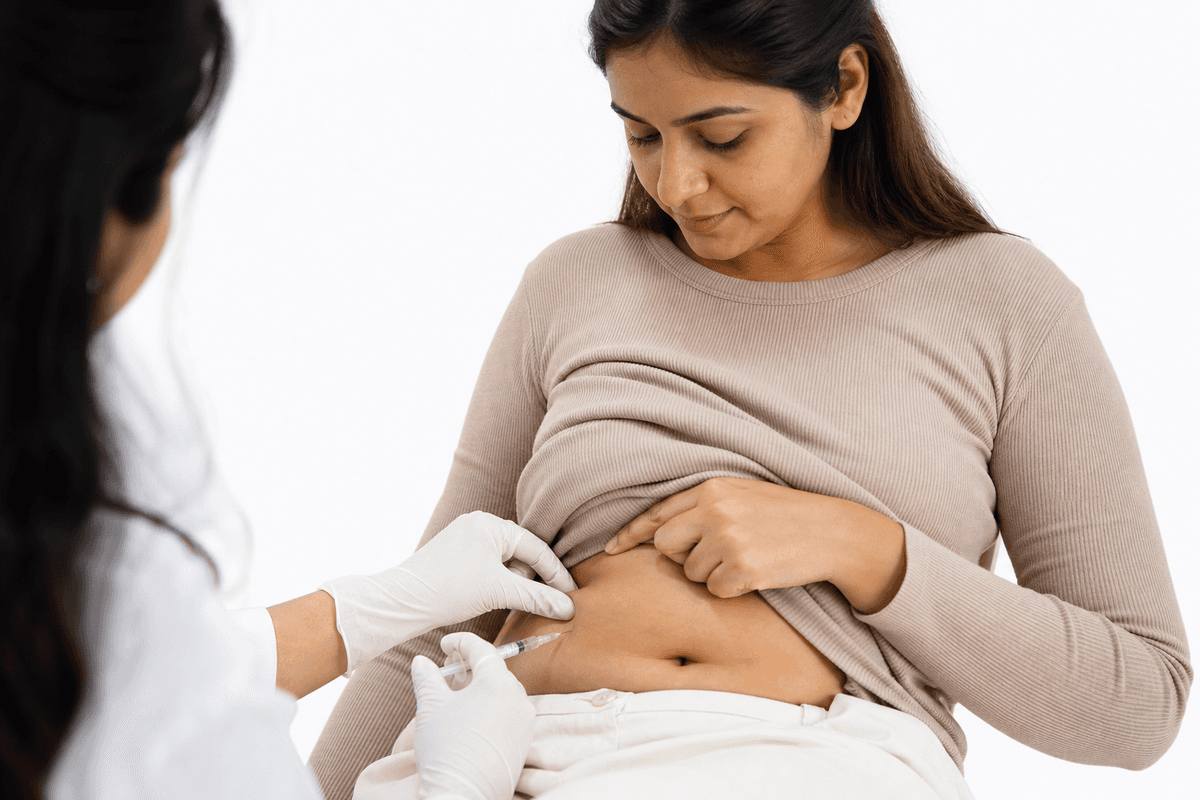
Daily injectable gonadotropin medications (FSH and/or LH) are administered, typically starting on cycle day 2-3, to stimulate multiple follicles to grow simultaneously in the ovaries.
Regular ultrasound scans and blood tests every 2-3 days monitor follicle growth and hormone levels. Medication dosages are adjusted based on individual ovarian response to optimize egg development.
GnRH antagonist or agonist medications are used to prevent premature ovulation, ensuring eggs are retrieved at the optimal maturity stage for fertilization.
When follicles reach 18-20mm diameter, a final trigger injection (hCG or GnRH agonist) is administered to complete egg maturation, with retrieval scheduled 34-36 hours later.
A structured, patient-first approach from first consultation to full recovery.
Dr Bhavana performs comprehensive ovarian reserve testing and designs customized stimulation protocols based on age, AMH levels, antral follicle count, BMI, and previous cycle responses to maximize egg quality and quantity.
Patients receive frequent ultrasound monitoring and hormonal assessments every 2-3 days throughout the stimulation cycle, allowing Dr Bhavana to fine-tune medication doses and prevent complications like ovarian hyperstimulation.
Dr Bhavana and her team provide detailed injection training, medication calendars, and 24/7 support to address concerns. Patients are educated on recognizing side effects and when to contact the clinic immediately.
Dr Bhavana precisely times the trigger injection based on follicle size, estradiol levels, and endometrial thickness to ensure eggs are retrieved at peak maturity, maximizing fertilization potential and embryo quality.
What to expect at each stage of your recovery journey.
During the 10-14 day stimulation period, patients may experience mild bloating, breast tenderness, and fatigue. Normal daily activities can continue, but strenuous exercise should be avoided as ovaries enlarge.
After the trigger injection, ovaries are at maximum size and patients may feel increased abdominal fullness and discomfort. Rest is recommended in the 36 hours before egg retrieval, with avoidance of intercourse and heavy lifting.
Following egg retrieval, mild cramping and bloating resolve within 3-7 days. Patients should monitor for signs of ovarian hyperstimulation syndrome including severe abdominal pain, rapid weight gain, or difficulty breathing and contact their doctor immediately if these occur.
Controlled ovarian stimulation typically results in retrieval of 8-15 mature eggs, significantly increasing the number of embryos available for transfer and cryopreservation compared to natural cycles which produce only one egg.
Multiple high-quality eggs increase the likelihood of successful fertilization, with fertilization rates of 70-80% when combined with IVF or ICSI, providing more embryo options for selection and transfer.
By producing multiple eggs and embryos, controlled stimulation increases cumulative pregnancy rates per cycle to 50-60% in optimal candidates, as additional embryos can be frozen for future transfers without repeating stimulation.
Response to controlled ovarian stimulation provides valuable diagnostic information about ovarian reserve and egg quality, allowing fertility specialists to refine treatment approaches and set realistic expectations for subsequent cycles.
Let's clear up some of the most common myths about controlled ovarian stimulation.
Get a personalised assessment from an experienced specialist. Understand your options, ask your questions, and decide with confidence.