Treated by Dr Bhavana
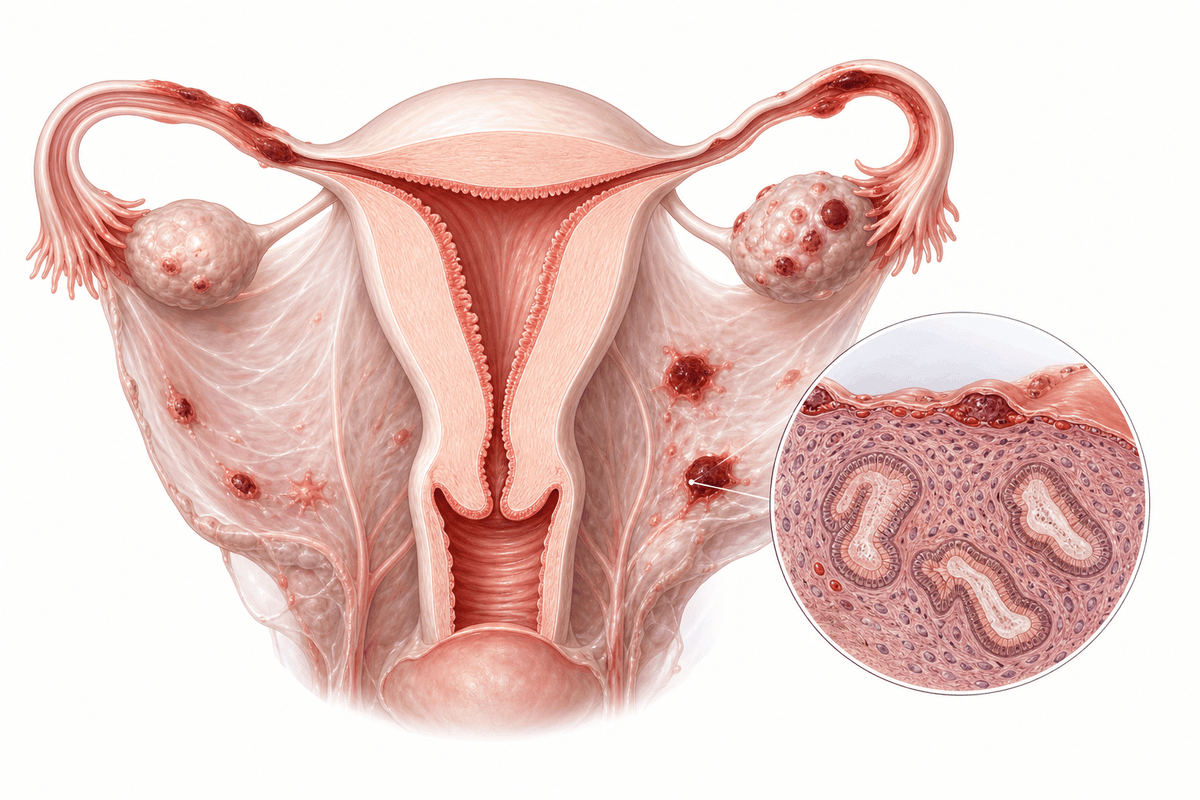
Endometriosis in Kompally, Hyderabad affects women when tissue similar to the uterine lining grows outside the uterus, causing pain and fertility challenges. This chronic condition can impact the ovaries, fallopian tubes, and pelvic tissues, leading to inflammation and scarring. Dr Bhavana provides specialized endometriosis management with a focus on preserving fertility and improving quality of life for women in Kompally.
The most common form where endometrial tissue implants grow on the peritoneum, the thin membrane lining the pelvic cavity. These lesions appear as small patches or spots and can cause pelvic pain and discomfort during menstruation.
Also called chocolate cysts, these are dark, fluid-filled cysts that form on the ovaries when endometrial tissue grows within them. They can range from small to large sizes and may significantly impact ovarian reserve and fertility.
The most severe form where endometrial tissue penetrates deeply into organs, extending more than 5mm beneath the peritoneum. It commonly affects the uterosacral ligaments, bladder, bowel, and can cause severe pain and organ dysfunction.
Multiple factors can contribute to the development and progression of this condition.
Endometriosis develops gradually. Recognising symptoms early gives you more treatment options.
From conservative to surgical — we always start with the least invasive option first.
A structured, patient-first approach from first visit to full recovery.
Dr Bhavana conducts a thorough assessment including detailed medical history, pelvic examination, and transvaginal ultrasound to identify endometriomas and assess ovarian reserve. Advanced imaging and, when necessary, diagnostic laparoscopy confirms the diagnosis and determines the extent and stage of endometriosis for personalized treatment planning.
Based on the severity of endometriosis, symptoms, age, and fertility goals, Dr Bhavana develops a customized treatment strategy. For women desiring pregnancy, fertility-focused approaches are prioritized, while those with severe pain may benefit from surgical intervention. Each plan balances symptom relief with long-term reproductive health.
Dr Bhavana performs minimally invasive laparoscopic surgery when indicated, expertly removing endometrial implants while preserving fertility. For appropriate cases, hormonal management is initiated to control disease progression. Post-operative care includes pain management and hormonal suppression to prevent recurrence and optimize healing.
For women facing fertility challenges due to endometriosis, Dr Bhavana offers comprehensive fertility treatments including ovulation induction, IUI, and IVF with tailored stimulation protocols. Continuous monitoring ensures optimal response, and embryo transfer timing is carefully planned to maximize success rates while managing the underlying endometriosis.
What to expect at each phase of recovery.
Following laparoscopic surgery, most women experience mild discomfort managed with pain medications and can resume light activities within 3-5 days. Hormonal therapy initiation may cause temporary side effects like mood changes or spotting. Dr Bhavana monitors recovery closely through follow-up visits to ensure proper healing and symptom improvement.
Over 2-4 weeks, surgical patients gradually return to normal activities with progressive reduction in pain and discomfort. Hormonal treatments continue as prescribed, with adjustments based on response and tolerability. Physical therapy and lifestyle modifications are reinforced to support long-term pelvic health and prevent symptom recurrence.
Ongoing management focuses on preventing disease recurrence through hormonal suppression or regular monitoring. For women pursuing pregnancy, fertility treatments are initiated at the optimal time post-surgery when pregnancy rates are highest. Dr Bhavana provides continuous support with regular assessments, adjusting treatment strategies to maintain symptom control and achieve reproductive goals.
Most women experience substantial relief from pelvic pain, painful periods, and discomfort during intercourse following treatment. Laparoscopic excision provides long-lasting pain reduction in 70-80% of cases, while hormonal management effectively controls symptoms in many patients, enabling return to normal daily activities and improved overall well-being.
Surgical removal of endometriosis improves natural conception rates, particularly in mild to moderate cases. For severe endometriosis or when natural conception is unsuccessful, IVF offers excellent pregnancy outcomes. Dr Bhavana's specialized approach helps many women with endometriosis achieve their dream of motherhood through personalized fertility treatments.
Comprehensive treatment combining surgery with hormonal management significantly reduces the risk of endometriosis recurrence. Regular monitoring and maintenance therapy help keep the disease under control. Early intervention and appropriate follow-up care prevent progression to more severe stages and preserve reproductive organ function.
Relief from dyspareunia (painful intercourse) and chronic pelvic pain dramatically improves intimate relationships and sexual satisfaction. Women report better emotional health and reduced anxiety related to endometriosis symptoms. Effective treatment restores confidence and allows women to enjoy fulfilling personal relationships without pain limitations.
Untreated endometriosis typically progresses over time, leading to worsening chronic pelvic pain that can become debilitating and affect daily functioning, work productivity, and mental health. The condition can cause extensive scarring, adhesions, and damage to reproductive organs, significantly reducing fertility and potentially leading to permanent infertility. Additionally, endometriomas can grow larger, deep infiltrating lesions may affect bowel or bladder function, and the chronic inflammatory state can impact overall health and quality of life.
You should consult Dr Bhavana if you experience increasingly painful periods that interfere with daily activities, chronic pelvic pain lasting beyond menstruation, or pain during intercourse or bowel movements. Women who have been trying to conceive for 6-12 months without success should seek evaluation, especially if they have symptoms suggestive of endometriosis. Early diagnosis and treatment are crucial for preventing disease progression, preserving fertility, and improving long-term outcomes.
Early treatment means more options and better outcomes. Book a consultation to understand your condition and explore the right path forward.