Treated by Dr Bhavana
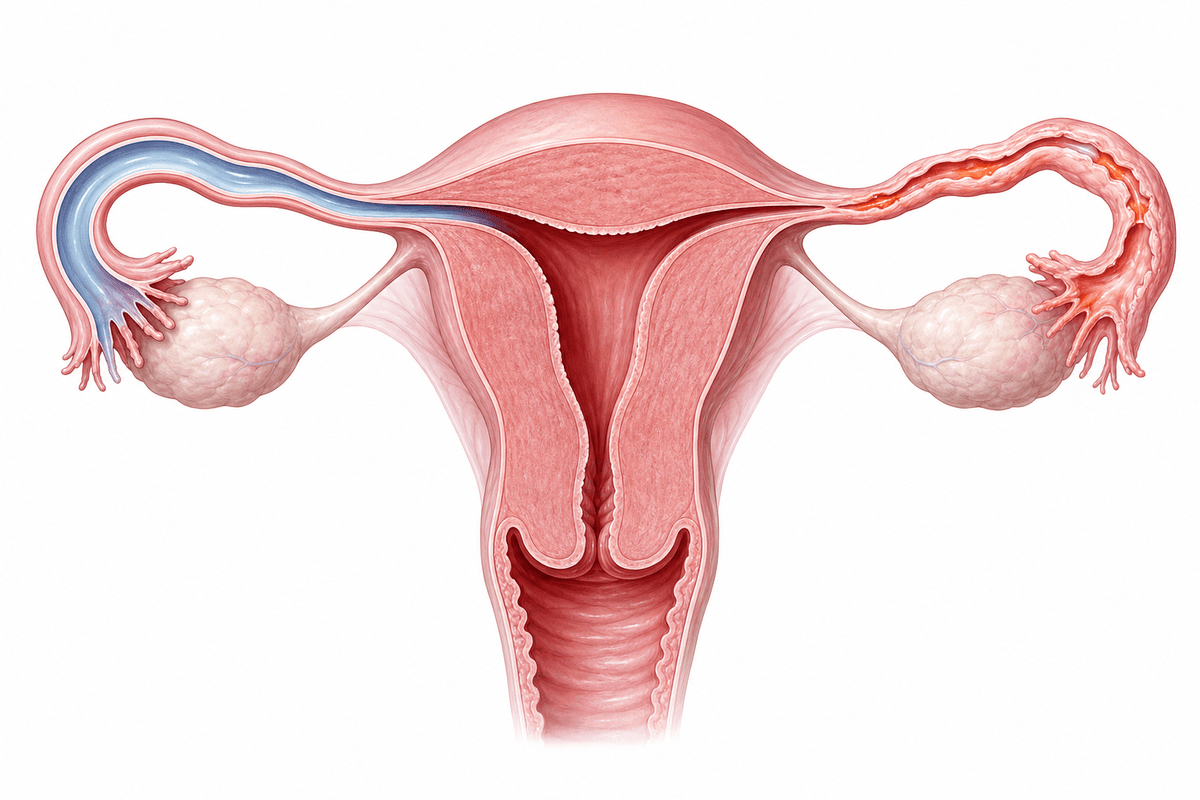
Tubal factor infertility affects women in Hyderabad and worldwide when damaged or blocked fallopian tubes prevent the egg and sperm from meeting, or block a fertilized embryo from reaching the uterus. This accounts for approximately 25-35% of all female infertility cases and can result from infections, endometriosis, previous surgeries, or pelvic inflammatory disease. Dr Bhavana specializes in comprehensive evaluation and advanced treatment options including IVF for tubal factor infertility at her fertility center in Kompally.
Blockage occurs near the uterus at the proximal end of the fallopian tube, often caused by mucus plugs, debris, scarring from infection, or spasm of the tubal ostium.
Blockage at the fimbrial end of the fallopian tube near the ovary, commonly resulting from pelvic inflammatory disease, endometriosis, or previous pelvic surgery creating hydrosalpinx.
Damage or blockage in the middle portion of the fallopian tube, typically caused by previous tubal ligation, ectopic pregnancy, or surgical complications affecting tubal function and patency.
Multiple factors can contribute to the development and progression of this condition.
Tubal Factor Infertility develops gradually. Recognising symptoms early gives you more treatment options.
From conservative to surgical — we always start with the least invasive option first.
A structured, patient-first approach from first visit to full recovery.
Dr Bhavana conducts detailed medical history review, performs transvaginal ultrasound, and orders HSG or diagnostic laparoscopy to accurately identify the location, extent, and cause of tubal blockage or damage.
Based on diagnostic findings, patient age, ovarian reserve, and fertility goals, Dr Bhavana develops an individualized treatment plan ranging from tubal surgery to direct IVF, discussing success rates and options thoroughly with each couple.
Dr Bhavana designs customized ovarian stimulation protocols, performs precise egg retrievals, oversees laboratory fertilization with ICSI if needed, and conducts ultrasound-guided embryo transfers to maximize pregnancy success while bypassing tubal factors.
Dr Bhavana provides continuous monitoring throughout treatment cycles, adjusts protocols as needed, performs pregnancy confirmation tests, and offers early pregnancy ultrasound monitoring with comprehensive emotional and medical support at every stage.
What to expect at each phase of recovery.
After HSG or diagnostic laparoscopy, patients typically experience mild cramping and spotting for 1-2 days. Normal activities can resume within 24-48 hours with minimal discomfort and over-the-counter pain relief as needed.
Following laparoscopic tubal surgery, patients need 3-7 days of rest with gradual return to activities over 2 weeks. Mild abdominal discomfort, shoulder pain from gas, and fatigue are common, with full recovery in 2-4 weeks before attempting conception.
After embryo transfer, patients rest for a day and avoid strenuous activities for one week. The two-week wait until pregnancy test involves progesterone support, monitoring for mild symptoms, and maintaining normal gentle activities while avoiding stress and heavy lifting.
For mild to moderate proximal blockages treated with cannulation or therapeutic HSG, 30-50% of patients achieve restored tubal patency with potential for natural conception within 6-12 months following the procedure.
After successful laparoscopic tubal surgery for adhesions or mild distal disease, 20-40% of patients achieve natural pregnancy within one year, with higher success rates in younger patients with less extensive damage.
IVF for tubal factor infertility offers pregnancy success rates of 40-60% per cycle in women under 35, and 20-35% in women 35-40, with cumulative success rates exceeding 70% over multiple cycles.
Proper treatment of damaged tubes through salpingectomy for hydrosalpinx or direct IVF bypassing tubes reduces ectopic pregnancy risk and improves overall pregnancy outcomes with safer intrauterine implantation of embryos.
Untreated tubal factor infertility results in continued inability to conceive naturally, as blocked or damaged tubes prevent sperm-egg meeting and embryo transport. Women may experience recurrent ectopic pregnancies if partial tubal patency exists, posing serious health risks including rupture and hemorrhage. Progressive pelvic inflammatory disease or endometriosis can worsen tubal damage over time, reducing future treatment success rates and fertility potential.
Women should consult Dr Bhavana if unable to conceive after 12 months of regular unprotected intercourse (or 6 months if over age 35), or earlier if there is history of pelvic inflammatory disease, ectopic pregnancy, endometriosis, previous pelvic surgery, or known tubal issues. Immediate evaluation is recommended for women with risk factors for tubal damage who are planning pregnancy, or those experiencing pelvic pain alongside infertility to prevent progression and preserve fertility options.
Early treatment means more options and better outcomes. Book a consultation to understand your condition and explore the right path forward.