Treated by Dr Bhavana
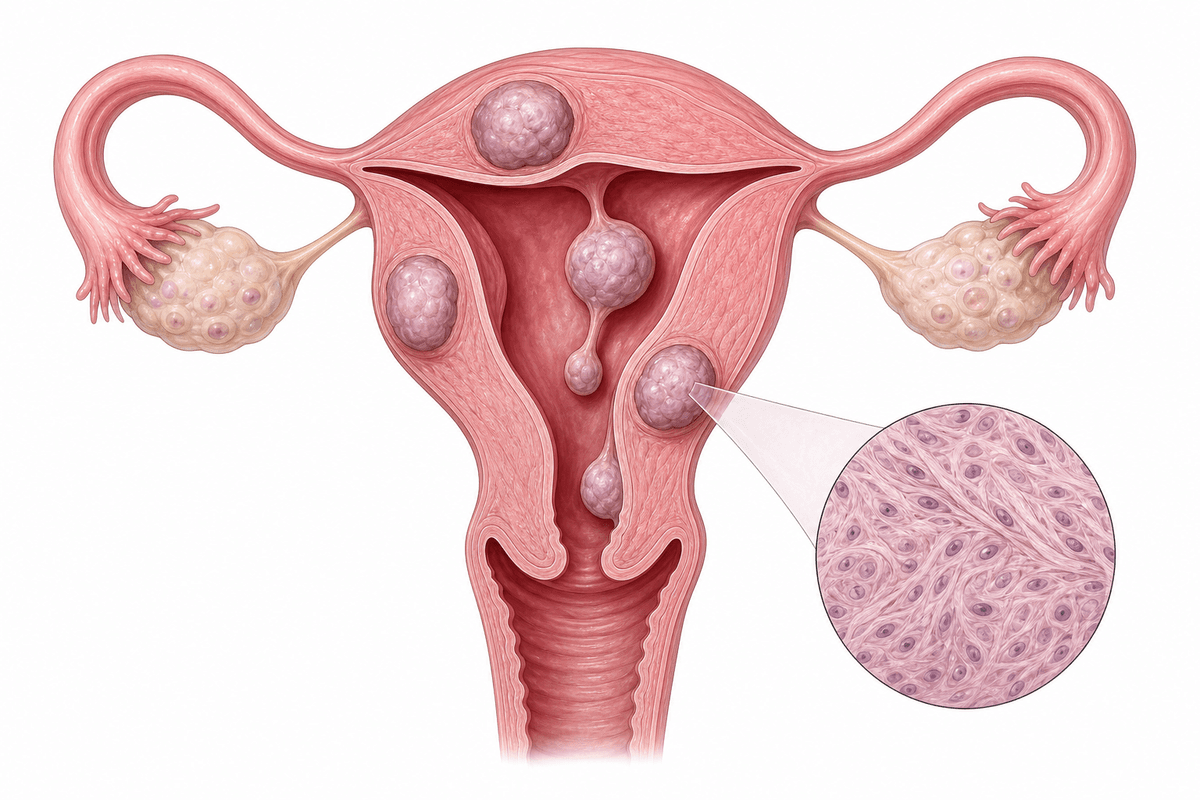
Uterine fibroids affecting fertility are non-cancerous growths in the uterus that can interfere with conception and pregnancy outcomes in women seeking to conceive in Kompally, Hyderabad. These benign tumors can distort the uterine cavity, block fallopian tubes, or disrupt embryo implantation, making it difficult to achieve or maintain pregnancy. Dr Bhavana specializes in comprehensive fertility evaluation and personalized treatment approaches for women with fibroids who wish to conceive.
Grow into the uterine cavity and have the most significant impact on fertility by interfering with embryo implantation and increasing miscarriage risk
Develop within the uterine wall and may affect fertility when large or multiple, potentially distorting the uterine cavity or blocking fallopian tubes
Project outward from the uterine surface and generally have minimal impact on fertility unless they are very large or pedunculated
Multiple factors can contribute to the development and progression of this condition.
Uterine Fibroids Affecting Fertility develops gradually. Recognising symptoms early gives you more treatment options.
From conservative to surgical — we always start with the least invasive option first.
A structured, patient-first approach from first visit to full recovery.
Dr Bhavana performs detailed transvaginal ultrasound and HSG or saline sonography to map fibroid location, size, and impact on the uterine cavity and fallopian tubes, alongside complete fertility evaluation of both partners
Based on fibroid characteristics, age, ovarian reserve, and fertility goals, Dr Bhavana develops an individualized plan that may include fibroid removal, medical management, or proceeding directly to IVF with optimized protocols
When surgical intervention is needed, Dr Bhavana coordinates minimally invasive procedures with experienced surgeons and plans the optimal timing for fertility treatment resumption, typically 3-6 months post-surgery
Dr Bhavana implements customized ovarian stimulation, precise embryo transfer techniques, and close monitoring throughout early pregnancy to maximize success rates while managing any fibroid-related complications
What to expect at each phase of recovery.
After fibroid removal, patients experience gradual reduction in symptoms with restrictions on heavy lifting and intercourse. Menstrual cycles normalize within 1-2 cycles, and uterine healing is monitored via ultrasound
The uterine cavity remodels and endometrial receptivity improves. Dr Bhavana conducts follow-up imaging to confirm complete healing and optimal uterine environment before proceeding with conception attempts or IVF
Once pregnancy is achieved, close monitoring for fibroid growth, proper placental implantation, and fetal development is conducted. Most women with treated fibroids have successful pregnancies with appropriate surveillance
Removal of cavity-distorting fibroids significantly improves natural conception rates and IVF success, with many patients achieving pregnancy within 6-12 months of treatment
Treatment of submucosal fibroids decreases miscarriage rates from 40-60% to levels comparable to women without fibroids, improving pregnancy maintenance
Patients undergoing IVF after fibroid management experience higher implantation rates, clinical pregnancy rates, and live birth rates compared to those with untreated cavity-distorting fibroids
With proper management and monitoring, most women with treated fibroids carry pregnancies to term successfully, though cesarean delivery rates may be slightly higher than general population
Untreated uterine fibroids affecting fertility can lead to prolonged infertility, repeated IVF failures, and recurrent pregnancy loss. Large or strategically located fibroids may cause pregnancy complications including preterm labor, placental abruption, fetal growth restriction, and abnormal fetal positioning. Progressive fibroid growth may eventually necessitate more extensive surgical intervention and potentially compromise future fertility options.
Women should consult Dr Bhavana if they have been unable to conceive after 6-12 months of trying, especially if they have known fibroids or experience heavy menstrual bleeding, pelvic pain, or pressure symptoms. Immediate evaluation is recommended for women with recurrent miscarriages, previous fibroid diagnosis who are planning pregnancy, or those who have had failed IVF cycles where fibroids may be contributing factors.
Early treatment means more options and better outcomes. Book a consultation to understand your condition and explore the right path forward.